Bunny Heart: A Color Font for Modern Web Design
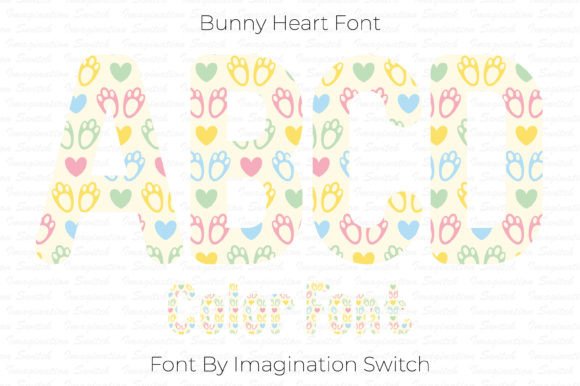
In the crowded digital landscape, establishing a distinct visual identity is no longer optional; it is a necessity for survival. As web designers and UI specialists, we constantly search for design assets that bridge the gap between aesthetic appeal and functional performance. Bunny Heart emerges as a compelling solution in this regard. This captivating typographic creation utilizes intriguing colors to enhance its visual appeal, offering more than just shapes on a screen. It provides an immediate emotional connection that standard monochrome typefaces often struggle to achieve without heavy CSS manipulation or image replacement.
At its core, Bunny Heart is a complete set of characters, including uppercase, lowercase, and numbers, designed specifically for the modern web. Unlike traditional fonts that rely solely on stroke weight and kerning to convey personality, this color font embeds vibrancy directly into the glyph structure. For digital product creators, this means less time spent layering gradients or adding text shadows in design software and more time focusing on layout rhythm and user flow. The inherent coloration of the typeface allows it to stand out against both light and dark backgrounds, making it an excellent choice for hero sections where first impressions are critical.
Elevating Visual Hierarchy in Digital Layouts
One of the primary challenges in web design is guiding the user's eye through a page effectively. Visual hierarchy dictates how users scan content, and typography is the most powerful tool we have to control this behavior. Bunny Heart excels as a display font, commanding attention in headers, landing page titles, and call-to-action areas. Because the font carries its own color information, it naturally creates a focal point without needing to increase the font size to excessive levels. This is particularly valuable in responsive design, where screen real estate on mobile devices is limited.
When implementing Bunny Heart in a conversion-focused layout, such as a product landing page or a course sales page, the font's unique personality can significantly impact brand trust. Users associate high-quality, distinctive typography with professionalism and attention to detail. By using this premium font for key headlines, you signal that the brand behind the website is curated and thoughtful. However, it is crucial to understand where this typeface fits best. While it shines in short phrases, logo text, and decorative accents, it is not intended for long-form body copy. For paragraphs of text, pairing Bunny Heart with a clean sans serif font ensures optimal readability while maintaining the artistic flair of the headings.
Strategic Applications for Brand Identity
The versatility of Bunny Heart extends across various digital touchpoints. For online store owners, this creative font can transform standard banners into engaging visual stories. Imagine a boutique shop selling handmade goods; using Bunny Heart for category titles or promotional badges adds a layer of charm that generic system fonts cannot replicate. Similarly, for coaches and consultants building personal brands, this typeface offers a way to inject warmth and approachability into their digital presence.
In the realm of logo design and brand kits, Color Fonts like Bunny Heart provide a shortcut to a polished look. Since the color is intrinsic to the font file, the logo remains consistent across different platforms, from website headers to social media graphics, without the risk of color shifting due to CSS errors or image compression. This consistency reinforces brand identity and helps users recognize the brand instantly. For SaaS founders and app developers, incorporating such a distinctive typeface in onboarding screens or feature highlights can make the user experience feel more premium and less utilitarian.
Optimizing Readability and Performance
While the aesthetic benefits of Bunny Heart are clear, practical implementation requires attention to technical details. When using color fonts on the web, file size and loading performance are valid concerns. Modern browser support for color font formats (such as COLRv1 or SVG-in-OT) has improved significantly, but it is essential to test rendering across different devices. For mobile screens, ensure that the intricate color details within the glyphs do not blur or become indistinct at smaller sizes. If the font is used for small buttons or navigation items, verify that the contrast between the font's internal colors and the background remains sufficient for accessibility standards.
Readability is also influenced by the background environment. Bunny Heart performs exceptionally well on solid color backgrounds, but care must be taken when placing it over complex image overlays. In such cases, adding a subtle backdrop or ensuring the image has low contrast in the text area will prevent the font's colors from clashing with the photography. For dark mode interfaces, check how the font's specific palette interacts with deep grays or blacks to ensure the text does not vibrate visually, which can cause eye strain.
Mastering Font Pairing for Editorial and Web Use
To maximize the impact of Bunny Heart, strategic font pairing is essential. Because this typeface is expressive and colorful, it demands a neutral partner for supporting text. A geometric sans serif font works beautifully for body copy, creating a modern, clean contrast that lets the header shine. Alternatively, for projects aiming for a more sophisticated or editorial design feel, pairing it with a classic serif font can create an interesting tension between the playful nature of the color font and the traditional authority of the serif.
Consider a blog header where Bunny Heart introduces the article title, while a legible serif font handles the excerpt and metadata. This combination guides the reader from an emotional hook to detailed information seamlessly. In packaging design or digital product mockups, this pairing strategy helps maintain a balanced composition, ensuring that the vibrant personality of the display font does not overwhelm the overall message.
Licensing and Commercial Considerations
Before integrating Bunny Heart into client projects or commercial products, understanding the licensing terms is vital. As a commercial font, it typically comes with specific guidelines regarding web usage, app embedding, and the number of page views or installations allowed. For web designers managing multiple client sites, securing the appropriate webfont license ensures legal compliance and access to necessary file formats like WOFF2, which are optimized for fast loading times. Always verify if the license covers dynamic generation of images or use in video content, as these are common requirements for modern social media graphics and digital ads.
Ultimately, Bunny Heart represents a shift towards more expressive and efficient modern typography in web design. By leveraging its built-in color and character completeness, designers can create richer, more engaging online experiences that resonate with users on a deeper level. Whether used for a creative portfolio, a high-converting landing page, or a cohesive brand system, this typeface proves that functionality and artistic expression can coexist harmoniously in the digital realm.